

At Cindy’s Swim School (CSS), we believe that learning to swim is about far more than just technique – it’s about safety, confidence, and giving children a skill that could one day save their life. That’s why we’re passionate about supporting National Drowning Prevention Week and play an active role in raising awareness about the importance of water safety.
Table of contents:
- What is National Drowning Prevention Week?
- When is National Drowning Prevention Week 2026?
- Why National Drowning Prevention Week is so important to us at Cindy’s Swim School
- One wave. One slip. One second. (The real risks children face around water)
- How Cindy’s Swim School is supporting National Drowning Prevention Week
- RLSS Rookie Lifeguard content is now part of our Stage 4+ lessons
- We teach drowning prevention and water safety in our swimming lessons
- We’re giving 2,000 life-saving water safety magnets to local schools
- Water safety advice for families
- Practise ‘Float to Live’ with your children
- Join us in supporting water safety this June
What is National Drowning Prevention Week?
National Drowning Prevention Week is an annual campaign led by the Royal Life Saving Society UK (RLSS UK). It’s designed to raise awareness of water safety and help prevent accidental drownings across the UK.
The campaign provides essential water safety information, encourages parents to talk to their children about the risks, and offers practical advice that can make all the difference in an emergency. It’s also a vital opportunity for swim schools, communities and schools to come together in promoting life-saving education.
When is National Drowning Prevention Week 2026?
This year, National Drowning Prevention Week runs from 13th to 20th June 2026. It comes just before the summer holidays, when children and teenagers are more likely to spend time in and around open water – from beaches and lakes to rivers and swimming pools.
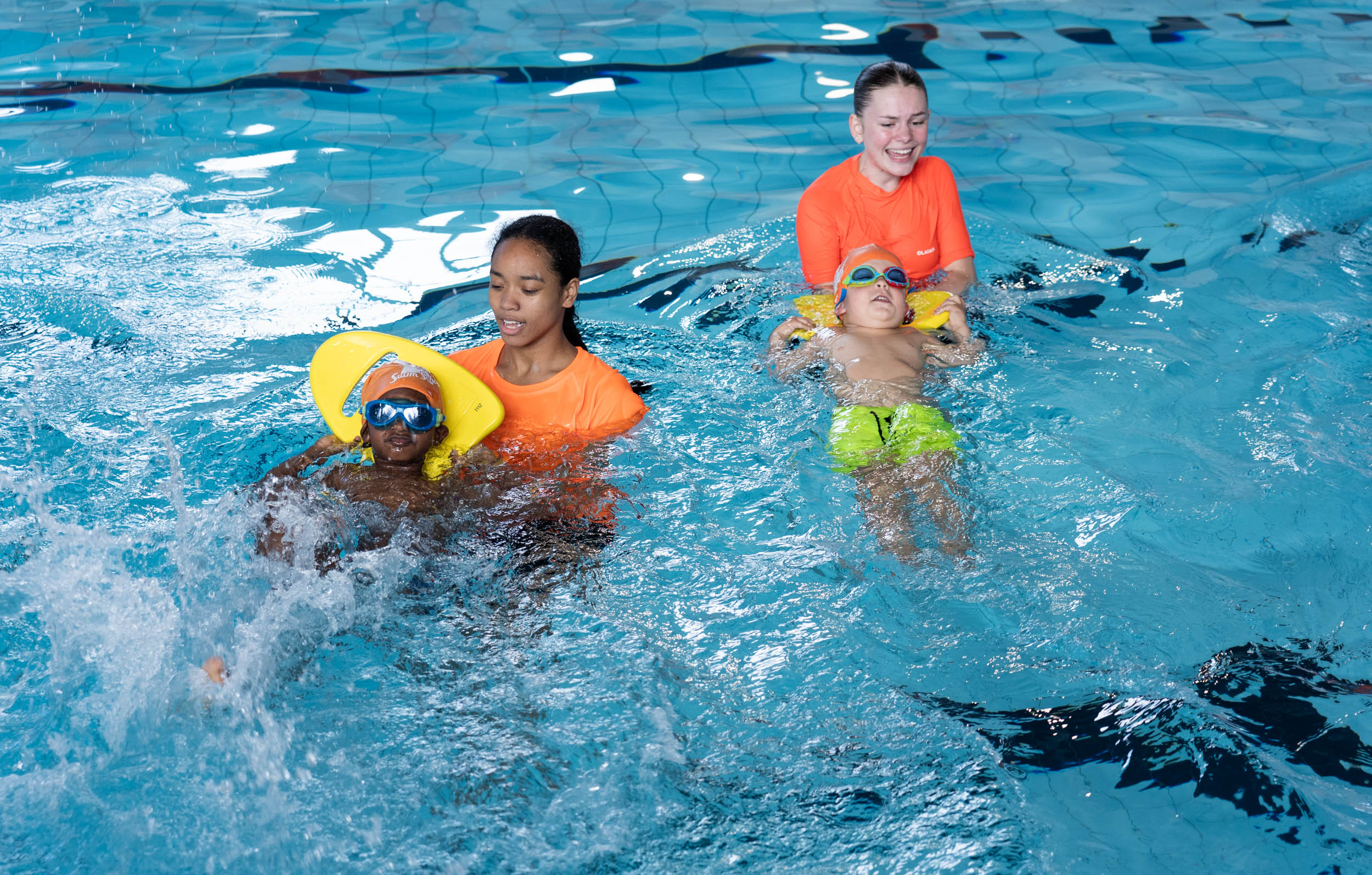
Why National Drowning Prevention Week is So Important to Us at Cindy’s Swim School
At Cindy’s Swim School, we are deeply passionate about equipping every child with the essential skill of swimming. We believe learning to swim is not just a fun activity or a milestone to tick off – it’s a lifelong skill that can save lives.
Drowning is a real risk – especially in summer, and especially as the weather is getter hotter earlier, as the late May Bank Holiday weekend has been.
According to the National Water Safety Form:
- 193 people accidentally drowned in the UK in 2024. (This is lower than in 2023 when the number was 277).
- Over 40% of accidental drownings happened in the summer months, with 28 in May, 25 in August and 21 in July.
- Many drownings occur in rivers, lakes, reservoirs and canals, not just the sea.
- Even on hot days, water temperatures can remain dangerously low, causing cold water shock, rapid breathing, panic, and difficulty swimming.
In recent weeks in 2026, there have already been several heartbreaking incidents across the UK involving people getting into difficulty in the water, including tragedies near Brighton Pier, Yorkshire, Lincolnshire and in West London. These stories hit painfully close to home – and they are stark reminders of why water safety education is so important.
Drowning is silent, fast, and, all too often, preventable. We want to ensure that no child or teenager leaves our swim school without the knowledge and skills they need to stay safe in and around water. We also want to try and educate children in the local area who have never attended our swimming lessons.
One Wave. One Slip. One Second.
The real risks children and teens face around water
One of the biggest dangers is how quickly and unexpectedly someone can fall into water.
Children and teens may be walking along rocks at the beach, sitting on the edge of a canal, playing near a riverbank, running around a swimming pool, or standing on a pier without understanding how dangerous the situation can be.
A single moment is all it takes.
A large wave can suddenly crash over rocks and knock a person into the sea. Slippery surfaces around canals, lakes and pools can cause children to lose their footing and fall in unexpectedly. Piers, riverbanks and harbour walls can also become extremely slippery, especially after rain.
“Everyday activities like walking and running accounted for 37 per cent of accidental fatalities in 2024, meaning many of those who lost their lives were not intending to enter the water”.
2024 Water Incident Database (maintained by the NWSF)
Open water is especially hazardous because:
- Water can be much colder than expected, causing cold water shock
- Strong currents and waves can pull even confident swimmers away
- There may be hidden debris, weeds or sudden drops under the surface
- Exits can be difficult to reach once someone is in the water
- Panic can happen very quickly, especially for children
In the UK, cold water shock is a particular danger because many open water locations remain cold all year round, even during heatwaves and summer holidays. Children and teenagers may wrongly assume water is warm enough to swim in safely, but sudden immersion in cold water can trigger an involuntary gasp reflex, rapid breathing, panic, and loss of muscle control within seconds.
Even those who can swim may struggle if they unexpectedly fall into deep, cold, or fast-moving water.
That’s why parental supervision and education is so important.
Adult supervision is essential on the beach, on sea walks, by reservoirs, rivers, lakes and canals, since it’s the lack of supervision that is the primary risk factor in child drownings in the UK.
“86% of child drownings occurred when the child was unsupervised by an adult.”
Adults, parents, carers, teachers and swim schools all have a responsibility to help children and teenagers understand risks before accidents happen. Regular conversations about water safety can help them make safer choices, recognise danger, and know what to do in an emergency.
Teaching children and teens to respect water is one of the most important life skills we can give them.
How Cindy’s Swim School is Supporting National Drowning Prevention Week
This year, we’re proud to continue with a series of initiatives to support the goals of National Drowning Prevention Week and keep children in our community safe:
RLSS Rookie Lifeguard Content Is Part of Our Stage 4+ Lessons
For children at Stage 4 and above, we’re thrilled to offer content from the RLSS UK’s Rookie Lifeguard Programme. This programme is a fantastic way to build confidence and teach vital water safety and lifesaving skills in a fun and engaging way.
Some of the topics we cover include:
- How to spot dangers in different aquatic environments (rivers, lakes, pools, and the sea)
- How to help someone in difficulty without putting yourself at risk
- Basic rescue techniques and how to use rescue aids
- CPR awareness and emergency response
- Understanding the Water Safety Code
This training not only improves swimming ability, but also teaches children how to think clearly and act responsibly in potentially dangerous situations.
We Teach Drowning Prevention and Water Safety in Our Swimming Lessons
We focus on drowning prevention and water safety, making sure our kids are prepared to keep themselves safe in the summer.
We introduce Float to Live and swimming in clothes to make sure all of our swimmers know how to keep themselves and others safe in the warmer weather!
Watch the video to see our swimmers in action.
We’re Giving 2,000 Life-Saving Water Safety Magnets to Local Schools
As part of our outreach, Cindy’s Swim School has produced 2,000 water safety magnets, which will be distributed to schools across South London during National Drowning Prevention Week as shown below:

Each magnet features the four key steps of the Water Safety Code:
Stop and Think – Always take a moment to assess the risks before entering the water.
Stay Together – Swim with a friend or an adult – never alone.
Call 999 – Know how to get help in an emergency.
Float – If you fall in, float on your back and stay calm until help arrives.
Water Safety Advice for Families

You don’t need to be by the sea to face water risks – canals, rivers, ponds, even garden paddling pools can pose dangers. Here are some practical water safety tips to help protect your children:
- Always supervise children closely near water – even if they can swim.
- Talk about water safety regularly. Help your children understand the risks and how to behave responsibly.
- Teach the Water Safety Code – and practise what to do in an emergency.
- Make sure children know how to float on their back if they fall in unexpectedly.
- Avoid swimming in open water where you’re unsure of currents, depth, or hidden hazards.
Ensure your child takes swimming lessons regularly to build strength, confidence, and awareness.
Practise Float to Live with Your Children
One way to prepare your children for swimming during the summer is to give them a crash course in swimming that will give them an immediate boost of confidence, safety skills, and increased fitness for days out during the school holiday. Book now for our swimming holiday crash courses in 2026.
Join Us in Supporting Water Safety This June
Whether your child is just starting out or building on existing skills, National Drowning Prevention Week is a perfect opportunity to talk about water safety at home and make sure they understand the risks.
We’re proud to be part of a movement that is helping to save lives – one lesson, one conversation, and one confident swimmer at a time.
If you’d like to learn more about our swimming programmes or the Rookie Lifeguard sessions, please get in touch – we’d love to hear from you. Alternatively, book a swimming lesson or one of our holiday swimming crash courses.
 020 8004 6545
 info@cindysswimschool.co.uk
Follow us